webinar series
ISCP 2025 - Day 1: Oral Communications, Opening Ceremony & (S1)
Summary
Oral Communications & Symposium: New Frontiers in Diabetes and CV Risk
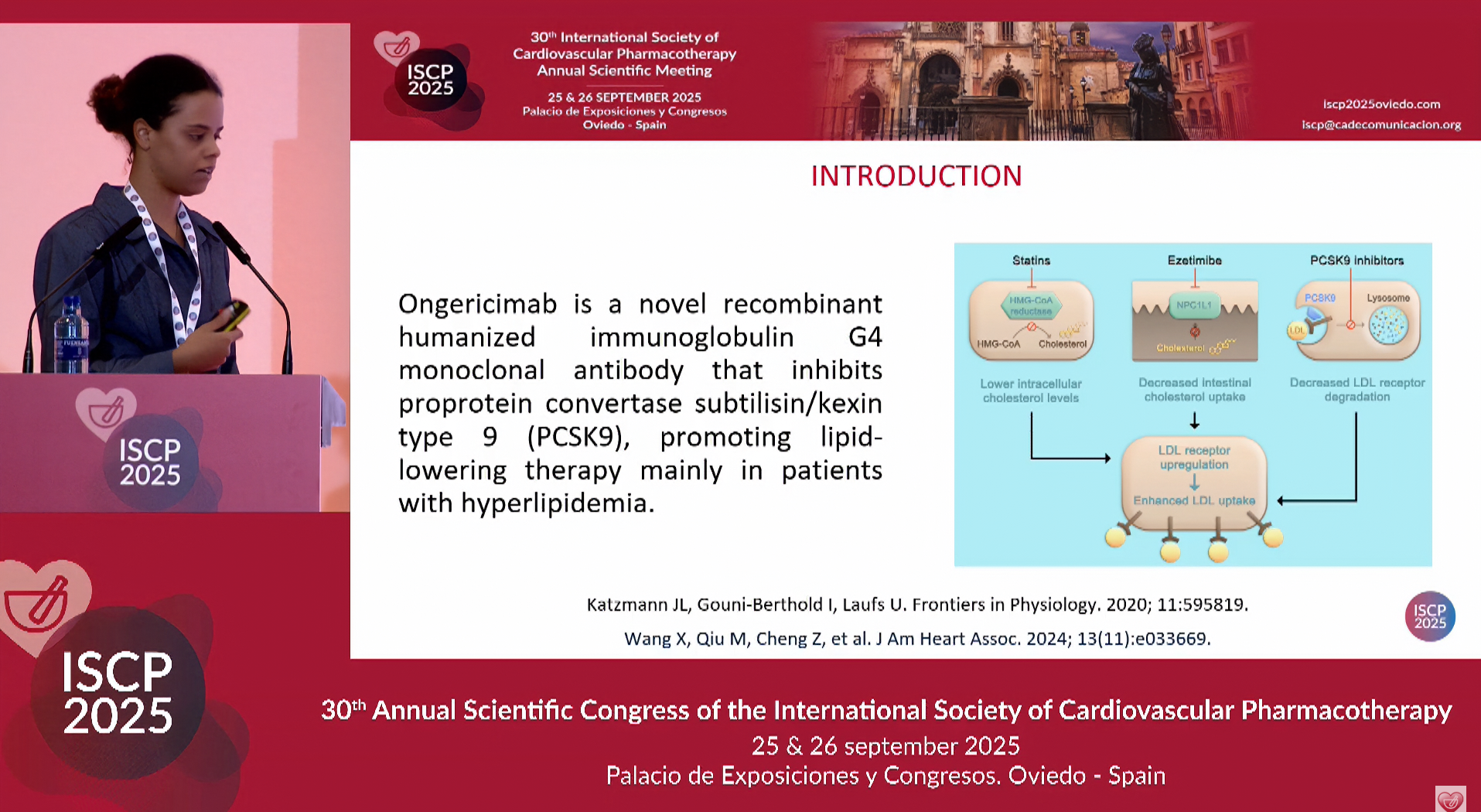
Session Overview: The session begins with a series of high-impact oral communications addressing unresolved questions in cardiovascular pharmacotherapy. Speakers present novel data on PCSK9-targeting therapies for mixed dyslipidemia, the often-overlooked cardiovascular complications following kidney transplantation, and the diagnostic "blind spots" in Brugada Syndrome challenges. Significant attention is also paid to Takotsubo Syndrome, questioning whether current pharmacological strategies are actually effective in preventing recurrences.
The Diabetes Debate: The core of the session moves to a comprehensive update on Diabetes Mellitus. Dr. Tomás González Vidal opens the debate by addressing the "elephant in the room": Is there still a place for Metformin in an era of cardioprotective drugs? He proposes new algorithms based on cost, efficacy, and patient profiles. Subsequently, Prof. Krzysztof Filipiak delivers a provocative analysis comparing SGLT2 inhibitors ("Flozins") and GLP-1 agonists, discussing their pleiotropic effects—ranging from cancer risks to addiction management—and offering a controversial "ranking" of current antidiabetic agents.
Technological Disruption: Prof. Elías Delgado concludes the scientific program by shifting focus to the technological revolution in Type 1 Diabetes. He explores how the transition from HbA1c to "Time in Range" and the integration of continuous glucose monitoring (CGM) with hybrid closed-loop insulin pumps are fundamentally changing patient outcomes and reducing the mental burden of the disease.
Why watch: This is an essential session for clinicians navigating the complex intersection of cardiology and metabolism. It offers a clear look at how guidelines are evolving, which "classic" drugs are surviving the test of time, and how artificial intelligence is beginning to act as a functional pancreas.
What you will learn
You’ll hear about:
Why the diagnostic timing in pharmacological challenges for Brugada syndrome may need to be reconsidered to avoid false negatives.
How the hierarchy of antidiabetic drugs is shifting and where Metformin fits into the modern "cardio-renal" algorithm.
Which class of drugs—SGLT2 inhibitors or GLP-1 agonists—is currently winning the race for cardiovascular prevention and safety.
Where pleiotropic effects (such as anti-cancer properties or addiction control) might expand the indications for diabetes drugs to millions of non-diabetic patients.
And how AI-driven algorithms in insulin pumps are outperforming human management in maintaining glycemic control.






restricted content
ISCP Members Only
Access to the e-Learning and Experts sections is available to ISCP Members only. Already a Member? Log in Not yet a Member? Visit our Registration page for details of how to join the ISCP and learn more about the benefits of being a part.